
Purple Haze Sake Flavors Unique
- 1.
What Exactly Is This Purple Haze Sake Everybody’s Buzzin’ About?
- 2.
The Alcohol Content: Strong Enough to Stun, Gentle Enough to Sip
- 3.
Flavor Profile: Where Botanical Dreams Meet Boozy Reality
- 4.
Ingredients Breakdown: It’s Not Magic, But It Might As Well Be
- 5.
Cocktail Culture: How Mixologists Are Weaponizing This Violet Elixir
- 6.
Pairing It Right: What to Eat When You’re Floatin’ on a Purple Cloud
- 7.
The Rise of Artisanal Sake in the U.S.: Why Purple Haze Is Leading the Wave
- 8.
Price Point & Accessibility: Is It Fancy or Actually Affordable?
- 9.
Common Misconceptions: Debunking the Myths Around Purple Haze Sake
- 10.
Where to Find & How to Enjoy Purple Haze Sake Like a Pro
Table of Contents
purple haze sake
What Exactly Is This Purple Haze Sake Everybody’s Buzzin’ About?
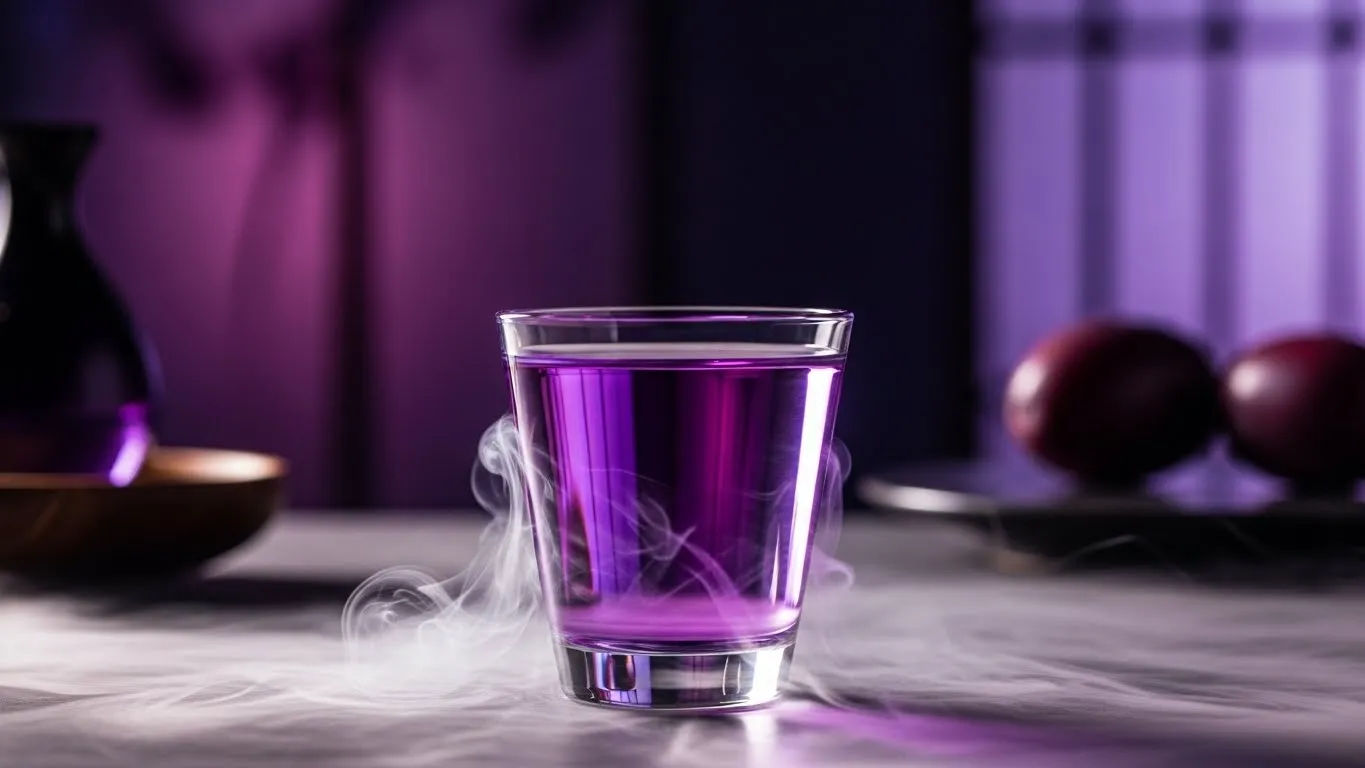
Ever stumbled into a bar, ordered somethin’ “vibey,” and got handed a glass that looked like it was distilled straight outta a 60s psychedelic dream? Yeah, that’s prob’ly purple haze sake. Not your grandpa’s junmai, not your sushi date’s nigori—this lil’ potion’s got petals, color shifts, and a vibe so chill it could lull a New York subway rat to sleep. We’ve seen it poppin’ up on menus from Brooklyn speakeasies to LA rooftop lounges, wrapped in lavender mist and mystery. But here’s the tea (or sake, if you will): purple haze sake ain’t just pretty—it’s layered, floral, and low-key revolutionary in the world of contemporary Japanese spirits. And no, it ain’t got no actual haze… unless you count the dreamy buzz it gives ya.
The Alcohol Content: Strong Enough to Stun, Gentle Enough to Sip
So, how much hooch you really signin’ up for when you order a glass of purple haze sake? Typically clockin’ in around 13–15% ABV, it’s lighter than your average craft gin but packs more personality than a silent film star. Unlike those firewater shochus or whiskey sours that hit like a freight train, purple haze sake slides in smooth—almost like a whisper from a lavender field in Hokkaido. Perfect for folks who wanna feel tipsy, not trippy. You get just enough buzz to wanna text your ex “u up?” but not enough to actually send it. Win-win.
Flavor Profile: Where Botanical Dreams Meet Boozy Reality
Alright, let’s get poetic for a sec. Imagine if a violet flower, a ripe plum, and a splash of cloud water decided to throw a house party in your mouth—that’s the flavor profile of purple haze sake. It’s floral, slightly sweet, with a dry finish that keeps you comin’ back for more. Some batches even sneak in hints of yuzu or cherry blossom, dependin’ on the brewmaster’s mood that week. There’s a delicate balance here—never too saccharine, never too austere. It’s the Goldilocks of sake: just right for Instagrammable cocktails or solo contemplation on a rainy Tuesday.
Ingredients Breakdown: It’s Not Magic, But It Might As Well Be
Now, what’s really in that glass of purple haze sake that makes it look like liquid amethyst? The base, of course, is premium polished rice—usually Yamada Nishiki or Gohyakumangoku—fermented clean and crisp. But the magic? That comes from natural botanicals. Think butterfly pea flower (that’s the purple MVP), maybe a pinch of hibiscus, sometimes even edible lavender. No artificial dyes, no mystery powders—just earth-grown petals doin’ the heavy lifting. The result? A drink that shifts hue when you add citrus, like your very own mood ring in a rocks glass. Now that’s what we call purple haze sake sorcery.
Cocktail Culture: How Mixologists Are Weaponizing This Violet Elixir
Let’s be real—while sippin’ purple haze sake neat is a vibe, bartenders are turnin’ it into full-blown performance art. From Tokyo to Tribeca, you’ll find it starin’ in cocktails with names like “Tokyo Twilight” or “Midnight Hanami.” One popular mash-up? Shake purple haze sake with grapefruit soda, a dash of elderflower, and a sprig of mint—boom, you got yourself a sunset in a coupe. Others go full avant-garde, floatin’ it over coconut foam or rimmin’ glasses with matcha salt. The color alone makes it a showstopper, but the flavor? Chef’s kiss. And let’s not forget: it’s gluten-free, vegan-friendly, and low in sulfites—so your conscience can sip easy too.
Pairing It Right: What to Eat When You’re Floatin’ on a Purple Cloud
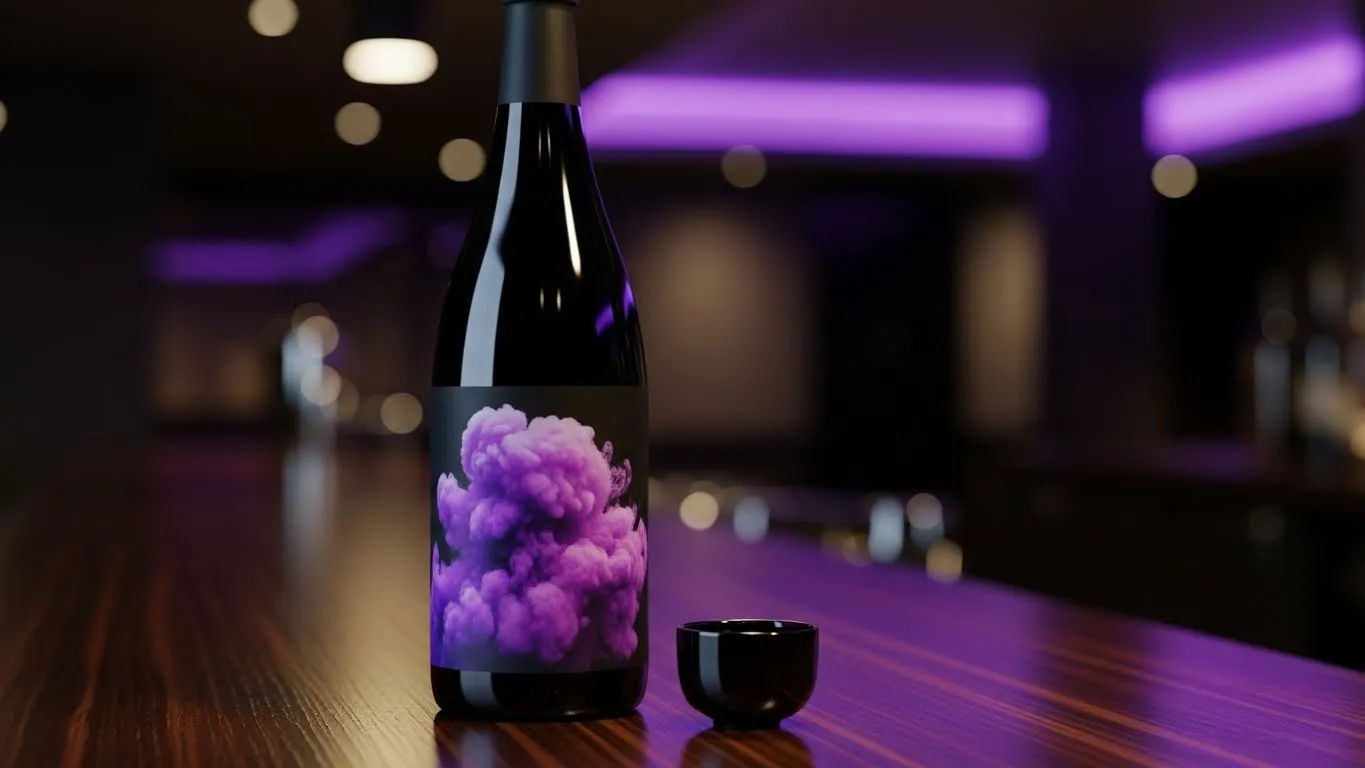
You don’t wanna wreck the elegance of purple haze sake with a greasy burger (unless that’s your thing—no judgment). Nah, this sipper shines alongside delicate bites: think miso-glazed eggplant, seared scallops with yuzu kosho, or even a sharp goat cheese crostini with honey drizzle. The floral notes play beautifully with umami and subtle fats, while its slight sweetness tempers spicy or acidic dishes. And hey, if you’re feelin’ extra bougie? Pair it with white chocolate truffles dusted in edible violet. Your tastebuds’ll write you a thank-you note.
The Rise of Artisanal Sake in the U.S.: Why Purple Haze Is Leading the Wave
Back in the day, most Americans thought sake was just hot rice wine you slammed before karaoke. But now? We’re in the golden era of purple haze sake and its craft cousins. Domestic breweries from Oregon to New York are teamin’ up with Japanese tōji (master brewers) to create hybrid styles that honor tradition while flirtin’ with innovation. And purple haze sake? It’s become the poster child for this movement—proof that sake ain’t just for sushi, it’s for soul-searching, slow Sundays, and spontaneous dance parties in your kitchen at 2 a.m.
Price Point & Accessibility: Is It Fancy or Actually Affordable?
Let’s talk cash. A 720ml bottle of legit purple haze sake usually runs between $28–$42 USD, depending on the brand and whether it’s imported or domestically brewed. Not dirt cheap, sure—but compare that to a mid-shelf gin or a craft IPA 4-pack, and suddenly it feels like a steal. Especially when you consider you can stretch one bottle into 6–8 killer cocktails or solo sipping sessions. And thanks to the sake boom, you can find it not just at specialty liquor stores, but also at Whole Foods, Total Wine, or even via slick DTC (direct-to-consumer) sites that’ll ship it faster than your DoorDash order.
Common Misconceptions: Debunking the Myths Around Purple Haze Sake
First myth: “It’s just flavored sake with fake color.” Nope—most authentic versions use only natural botanicals. Second myth: “It’s super sweet like dessert wine.” Nah, the best purple haze sake strikes that perfect umami-sweet-floral balance. Third myth: “It’s a gimmick.” Tell that to the folks who’ve swapped their Aperol spritz for this lil’ violet wonder and never looked back. Purple haze sake ain’t a trend—it’s a tastebud awakening. And if someone says it’s “just for girls,” bless their heart… then hand ‘em a glass and watch ‘em fall in love.
Where to Find & How to Enjoy Purple Haze Sake Like a Pro
If you’re ready to dive into the violet depths of purple haze sake, start local—check out your nearest Japanese izakaya or natural wine bar. Or, peep online: Auction House NYC keeps a curated list of small-batch bottles that rotate monthly. Browse their Drinks section for limited releases and tasting notes. And if you’re still on the fence, read up on Best Mixed Drinks at a Bar Picks where purple haze sake stars in three show-stopping recipes. Pro tip: serve chilled in a wine glass, not a ceramic tokkuri—let those aromas breathe, baby.
Frequently Asked Questions
What is Purple Haze saki?
Despite the common misspelling “saki,” the correct term is sake. Purple haze sake is a modern, artisanal style of Japanese rice wine infused with natural botanicals—primarily butterfly pea flower—that give it a striking violet hue and delicate floral notes. It’s not a traditional category but a contemporary innovation blending sake craftsmanship with mixology-friendly flair.
How much alcohol is in a Purple Haze?
Most bottles of purple haze sake contain between 13% and 15% alcohol by volume (ABV), making it comparable to a light wine. This moderate strength allows for easy sipping without overwhelming the palate—perfect for social gatherings or solo wind-down sessions.
What does Purple Haze taste like?
Expect a soft, aromatic experience when you sip purple haze sake: think lavender fields meet ripe stone fruit, with a clean, slightly dry finish. There’s subtle sweetness, but it’s never cloying—more like a whisper of plum or cherry blossom dancing on your tongue. The flavor evolves as it warms, revealing layers of rice umami beneath the floral top notes.
What is purple haze drink made of?
At its core, purple haze sake is made from polished rice, koji mold, yeast, and water—just like traditional sake. What sets it apart is the addition of natural botanicals, especially butterfly pea flower, which imparts the vibrant purple color. Some producers may also include hibiscus, edible lavender, or yuzu peel for complexity, but quality versions avoid artificial additives entirely.
References
- https://www.japansake.or.jp/eng/
- https://sake-school.com/types-of-sake/
- https://www.foodandwine.com/drinks/cocktails/sake-cocktails
- https://www.masterclass.com/articles/what-is-sake